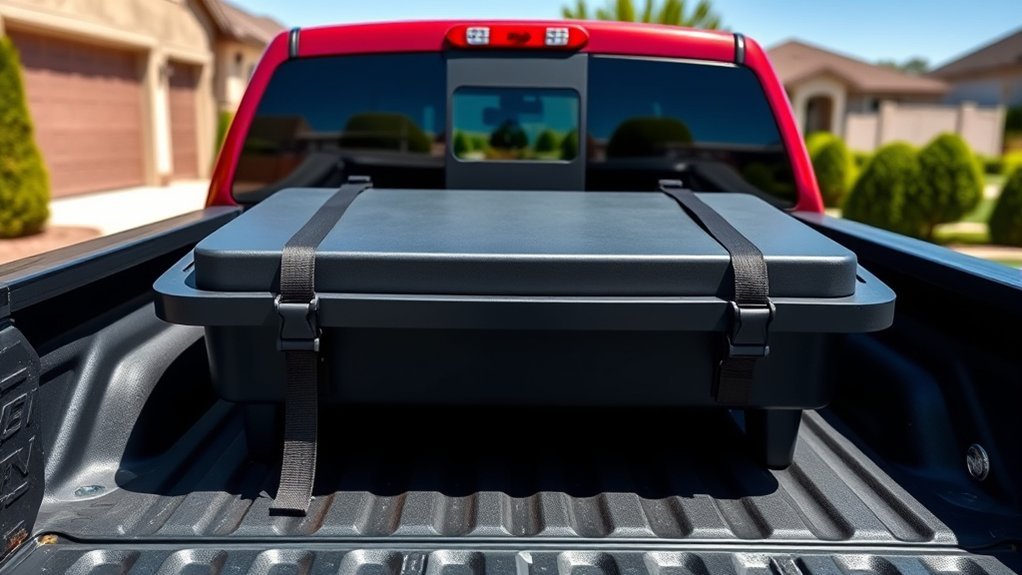

You might not realize that transporting a Blackstone griddle without proper preparation can lead to costly damage or safety hazards. Properly transporting a Blackstone griddle is essential to avoid these risks. Before you even think about loading it into your vehicle, you need to cool, clean, and carefully disconnect propane components.
Skipping these steps can cause grease fires or mechanical issues. If you want to keep your griddle in top shape during the move, it’s indispensable to follow specific packing and securing methods that many overlook. Taking these precautions ensures your griddle remains safe and functional throughout transportation.
Key Takeaways
- Ensure the griddle is completely cool, clean, and grease-free before moving to prevent spills and odors during transport.
- Disassemble removable parts like grease trays and burners using appropriate tools, and store them in labeled containers for safety.
- Wrap the griddle with protective covers and weatherproof wrap, securing with straps or tape to avoid rust and damage.
- Place the griddle on a flat, stable surface in the vehicle, and firmly secure it with straps or bungee cords to prevent movement.
- For long-distance transport, use heavy-duty ratchet straps, add padding, lift with assistance, and cover with a weather-resistant tarp.
Get Your Blackstone Griddle Ready to Move
How should you prepare your Blackstone griddle before moving it? First, ensure the griddle is completely cool and clean. Remove any grease or food debris to prevent spills during transport.
Next, drain any propane tanks and disconnect them safely. Assess the moving weight to determine if you need help. These griddles can be heavy and awkward.
Use proper grip handling by grabbing sturdy parts like the frame or handles; avoid delicate surfaces that could bend or break. Secure any loose components, such as shelves or knobs, to prevent damage.
Lastly, double-check that all parts are dry to avoid slipping during the move. Taking these steps ensures a safer, smoother transport and protects your griddle from unnecessary damage.
Gather Essential Tools and Packing Materials
Where should you start when gathering tools and packing materials for moving your Blackstone griddle? Begin by reviewing a detailed cleanup checklist to ensure you have everything needed for safe handling.
Essential packing materials include heavy-duty moving blankets or foam pads to protect the griddle’s surface, sturdy straps or bungee cords to secure it during transport, and a durable box or crate if available. Don’t forget gloves to protect your hands and a wrench or screwdriver if you need to detach parts.
Having a dolly or hand truck can also make moving easier and safer. Preparing these items in advance helps you avoid last-minute risks and damage, keeping your griddle secure and ready for transport. Stay organized and prioritize safety throughout this step.
Clean and Cool Down Your Blackstone Griddle Properly
Before you transport your Blackstone griddle, make sure to thoroughly remove all food residue using a scraper or warm, soapy water. Never rush this step, as leftover grease can cause damage or odors during transit.
Allow the griddle to cool completely to prevent burns and avoid trapping heat that could warp the surface.
Remove Food Residue
Anyone who’s used a Blackstone griddle knows that removing food residue is essential for maintaining its performance and safety. Before you start cleaning, ensure the griddle is cool enough to handle safely. This step prevents burns and supports move safety.
Use a scraper or spatula to gently remove stuck-on food, then wipe the surface with a damp cloth or paper towel. Avoid using excessive water or harsh chemicals to protect the seasoning and prevent rust.
Check and clean the grease trap to reduce fire hazards, promoting fuel safety during transport. Properly removing residue prevents grease buildup, which can cause flare-ups or damage.
Thorough cleaning before moving your griddle ensures it stays in good condition and reduces risks linked to transporting a dirty, greasy appliance.
Allow Complete Cooling
A fully cooled Blackstone griddle is essential for safe handling and transport. After cleaning, allow it to cool completely to avoid burns and ensure rust prevention. Proper cooldown timing depends on your environment; it typically takes 45-60 minutes at room temperature.
Avoid covering the griddle while hot, as trapped heat can cause condensation and rust. Use the table below to track cooldown steps:
| Step | Description | Importance |
|---|---|---|
| 1. Turn Off | Power off griddle | Safety |
| 2. Remove Food | Clean residue | Prevents buildup |
| 3. Wait Time | 45-60 minutes cooldown timing | Avoids burns, rust |
| 4. Air Dry | Leave uncovered | Prevents moisture |
| 5. Inspect | Check for residual heat/rust | Ensures readiness |
Follow these steps to protect your griddle and ensure safe transport.
Disassemble Removable Parts for Safer Transport
How do you guarantee your Blackstone griddle stays secure and undamaged during transport? Start by disassembling all removable parts. This reduces the risk of damage from shifting or impact.
Use appropriate tool selection, usually a screwdriver or wrench, to carefully detach components like grease trays, side shelves, and burners. Prioritize safe handling by working slowly and keeping parts organized in labeled containers or bags.
Avoid forcing any pieces loose to prevent damage. Removing attachments also makes the griddle easier to maneuver and pack tightly.
Wrap and Protect Your Blackstone Griddle Surface and Body
Before wrapping your Blackstone griddle, make sure to clean the surface thoroughly to prevent rust and debris buildup. Use protective covers designed for griddles to shield both the cooking surface and body from scratches and dents.
Secure everything with padding and straps to keep the griddle stable and damage-free during transport.
Clean Before Wrapping
Why should you clean your Blackstone griddle thoroughly before wrapping it for transport? Proper cleaning prevents residue buildup that can cause corrosion or attract pests during transit. Stick to a consistent cleaning cadence, ensuring you remove grease and food particles after every use.
Follow essential sanitation steps: scrape off debris, apply a suitable degreaser, and wipe the surface with a damp cloth. Don’t forget to dry the griddle completely to avoid rust.
Cleaning both the surface and body protects your investment and keeps the griddle safe for future cooking. By maintaining this routine before wrapping, you minimize risks of damage and contamination, making transport safer and more efficient.
Use Protective Covers
Once your Blackstone griddle is thoroughly cleaned and dried, protecting its surface and body during transport becomes your next priority. Start by selecting high-quality protective covers designed to shield against scratches, dust, and dirt.
Use a weatherproof wrap to guard your griddle from moisture, rain, or unexpected spills, especially if you’re transporting it outdoors. Make sure the wrap fits snugly around the entire griddle, covering sensitive components like burners and knobs without leaving gaps.
Avoid using materials that can trap moisture underneath, which might cause rust. Secure the protective covers firmly in place, preventing any shifting during transit.
Taking these precautions helps maintain your griddle’s finish and functionality, ensuring it arrives at its destination ready for your next cookout.
Secure With Padding
How can you ensure your Blackstone griddle stays protected from bumps and scratches while on the move? The key is to use secure padding that cushions the griddle’s surface and body effectively.
Start by wrapping the entire griddle with thick transport padding, such as moving blankets or foam sheets, focusing on vulnerable areas like the edges and flat top. Make sure the padding fits snugly to prevent shifting during transit.
Use heavy-duty tape or straps to hold the padding firmly in place without damaging the griddle’s finish. Avoid leaving any exposed metal surfaces, as they’re prone to dents and scratches.
Properly secured padding minimizes impact risks and keeps your griddle in prime condition, ensuring safe transport every time you move it.
Secure Your Blackstone Griddle Correctly in Your Vehicle
Where should you position your Blackstone griddle to keep it stable during transport? Place it on a flat, low surface in your vehicle, such as the trunk floor or cargo area, to minimize movement. Use straps or bungee cords to firmly secure the griddle, ensuring it can’t slide or tip over.
This helps make safe handling easier when you load and unload. Avoid placing heavy items on top, which could damage the griddle’s surface or structure. Keep it away from sharp edges or tools that might scratch or dent the griddle.
Properly securing your Blackstone griddle not only protects surface integrity but also prevents accidents during transit. Be sure to double-check all restraints before driving to guarantee a safe, stable journey.
Prevent Common Damage During Transport
A key step in transporting your Blackstone griddle safely is preventing common damage that can occur during transit. Focus on careful handling to avoid dents, scratches, or warping of the cooking surface.
Always lift the griddle with a firm grip and avoid dragging it across rough surfaces. While securing straps are essential for keeping the griddle stable in your vehicle, don’t rely on them alone; improper use can cause pressure points that dent the frame.
Use protective padding like moving blankets or foam between the griddle and straps to cushion impact. Also, check that no sharp or heavy objects are near the griddle during transport to prevent accidental damage.
Long-Distance Transport Tips for Your Blackstone Griddle
When preparing for long-distance transport of your Blackstone griddle, you’ll want to prioritize securing it against vibrations and sudden movements that can occur over extended travel. Use heavy-duty ratchet straps to firmly anchor the griddle to your vehicle’s bed or trailer.
Place padding like moving blankets or foam around the edges to prevent scratches and dents. For handling tips, always lift with a partner to avoid strain or dropping. If possible, remove detachable parts like grease trays and burners, packing them separately in labeled containers.
Keep the griddle covered with a weather-resistant tarp to protect it from rain or debris. By following these long-distance handling tips, you’ll ensure your Blackstone griddle arrives safe, intact, and ready for your next cookout.
Reassemble and Inspect Your Blackstone Griddle After Transport
After securing your Blackstone griddle for transport and protecting it from damage, the next step is to carefully reassemble and inspect it once you reach your destination. Pay close attention to reassembly timing. Allow any moisture or debris to dry or be cleaned before putting parts back together. Use a thorough inspection checklist to ensure safety and functionality.
| Inspection Item | Action |
|---|---|
| Surface Cleanliness | Wipe off dirt, rust, and grease |
| Burner Connections | Check for leaks and tight fittings |
| Hardware Tightness | Secure bolts, screws, and knobs |
| Gas Supply Integrity | Test hoses for cracks or damage |
Following this checklist and proper timing prevents damage and ensures your griddle operates safely and efficiently.
Frequently Asked Questions
Can I Use My Blackstone Griddle on a Gas Stove?
You shouldn’t use your Blackstone griddle on a gas stove due to indoor safety risks. Instead, stick to outdoor placement where ventilation prevents dangerous fumes and heat buildup, ensuring safe and effective cooking every time.
What Type of Fuel Does a Blackstone Griddle Use?
Your Blackstone griddle primarily uses propane as its fuel source, but some models support natural gas.
Always check fuel source variations and follow safety considerations, like proper ventilation and secure connections, to prevent leaks or accidents during use.
How Do I Season My Blackstone Griddle Before First Use?
You’ll apply a thin layer of seasoning oil evenly, then preheat your griddle using proper heat management to avoid smoke.
Repeat this process twice, ensuring safety by ventilating and using heat-resistant gloves throughout.
Are There Specific Cleaning Products Safe for Blackstone Griddles?
You’ll find that 90% of Blackstone griddle damage stems from harsh chemicals. Use mild, safe detergents and avoid abrasive cleaning products to protect the seasoning.
Stick to warm water, gentle soap, and non-scratch scrubbers for best results.
Can I Cook Indoors With My Blackstone Griddle?
You can’t safely use your Blackstone griddle indoors due to ventilation concerns. It produces carbon monoxide and smoke, so always cook outside or in a well-ventilated area to avoid health risks and fire hazards.
Conclusion
Transporting your Blackstone griddle is like guiding a trusted ship through calm and storm. By cooling, cleaning, and securing it with care, you’re protecting its heart—the cooking surface—from damage.
Wrapping and strapping it tightly is your anchor against bumps and shifts, ensuring safe passage. With every step, you’re not just moving a griddle; you’re preserving a kitchen companion ready to fuel your next adventure safely and soundly.
Taking these precautions will help you transport a Blackstone griddle with confidence and ease.