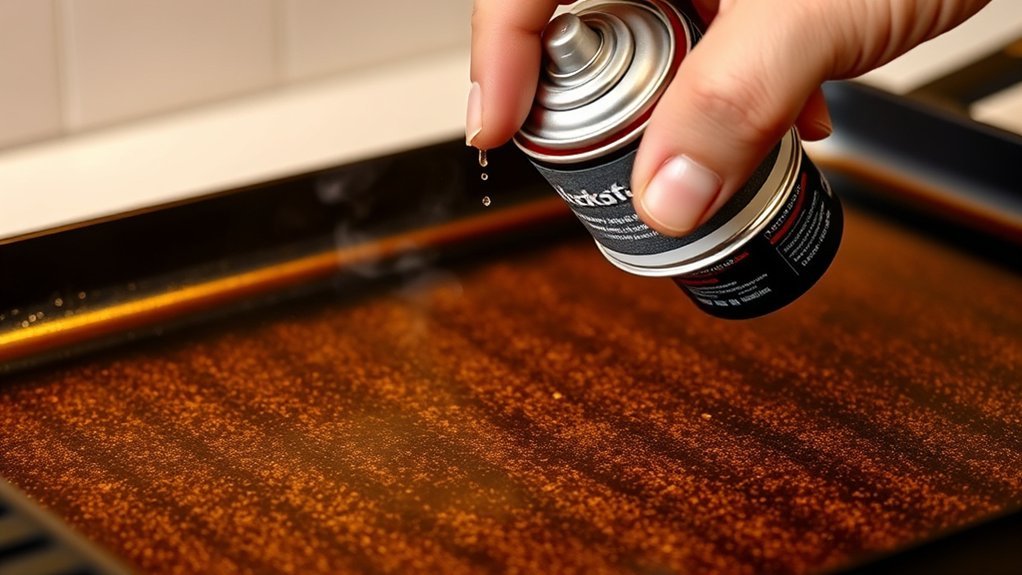

You might be tempted to grab cooking spray for your Blackstone griddle because it’s quick and convenient. But before you do, it’s important to understand how that spray can impact your griddle’s seasoning and overall performance. Using cooking spray on a Blackstone griddle can have some unintended consequences.
While it’s possible to use, there are some hidden downsides that could affect your cooking surface over time. Let’s explore why cooking spray might not be the best choice and what you can use instead.
Key Takeaways
- Cooking spray can be used on a Blackstone griddle but may leave sticky residue that affects seasoning buildup and long-term durability.
- Residue from sprays contains additives that hinder proper seasoning bonding and can cause food to stick or increase rust risk.
- High smoke point oils like avocado, canola, or grapeseed oil are recommended alternatives for seasoning and cooking.
- Proper cleaning after using cooking spray includes wiping warm griddle, scraping stuck bits gently, rinsing, drying, and reseasoning with oil.
- For best results, avoid sprays and season with natural oils applied evenly, heated to smoking point, and baked repeatedly to build durable seasoning.
Can You Use Cooking Spray on a Blackstone Griddle?
Wondering if you can use cooking spray on a Blackstone griddle? While it might seem convenient, it’s essential to consider how it affects your cooking and maintenance routine. Cooking sprays can initially act as flavor enhancers by preventing food from sticking and allowing for even cooking.
However, they often contain additives that may build up over time, making cleaning techniques more challenging. Instead of relying solely on sprays, many griddle enthusiasts prefer using oils with high smoke points, which not only protect the surface but also enhance flavor naturally.
Why Does Cooking Spray Harm Your Blackstone Griddle?
How exactly does cooking spray harm your Blackstone griddle? When you use cooking spray, it leaves behind a sticky residue that’s tough to clean and builds up over time. This residue creates uneven cooking surfaces and may cause flare-ups.
Avoiding topic drift, it’s important not to confuse this with seasoning issues. Those will be discussed later. Here’s a quick comparison:
| Issue | Cause | Effect |
|---|---|---|
| Residue buildup | Cooking spray oils | Sticky, uneven surface |
| Flare-ups | Residue ignition | Safety hazard |
| Difficult cleaning | Hardened spray | Time-consuming scrubbing |
| Surface damage | Chemical additives | Potential corrosion |
| Unwanted flavors | Burnt residue | Alters food taste |
Don’t let an unrelated idea like seasoning distract you. Residue alone makes cooking spray harmful to your griddle.
How Cooking Spray Affects Blackstone Griddle Seasoning
When you use cooking spray on your Blackstone griddle, it can leave behind a sticky residue that interferes with the seasoning layer’s natural build-up. This residue makes it harder for the seasoning to bond properly, which can weaken the durability of your griddle over time.
Understanding how this affects your seasoning helps you keep your griddle performing its best for the long haul.
Impact On Seasoning Layer
Why does the seasoning layer matter when using cooking spray on your Blackstone griddle? The seasoning acts as a natural non-stick barrier, protecting the metal and enhancing griddle durability.
When you use cooking spray, you risk compromising this layer if the spray contains additives or propellants that can build up or strip away seasoning over time. You want to maintain spray safety by choosing options that won’t harm your seasoning or leave residues that affect performance.
If the seasoning breaks down, you’ll notice food sticking more and the griddle surface becoming vulnerable to rust. To keep your Blackstone in top shape, it’s best to use cooking sprays sparingly and focus on proper seasoning methods that support long-term griddle durability and preserve that essential non-stick finish.
Cooking Spray Residue Effects
The buildup of cooking spray residue can seriously affect your Blackstone griddle’s seasoning over time. When you use cooking sprays, especially those with additives like lecithin or propellants, they leave behind a sticky layer that’s tough to remove.
This residue can prevent your seasoning from bonding properly, causing uneven cooking surfaces and increased food sticking. If you want to maintain a smooth, well-seasoned griddle, it’s best to avoid sprays that aren’t designed for high-heat cooking.
Instead, consider using oils with high smoke points. While exploring topic ideas related to griddle care, keep in mind that residue issues are specific to sprays and unrelated to other headings like seasoning durability.
Being mindful of these effects helps you preserve your Blackstone’s performance and ensures a better cooking experience every time.
Long-Term Seasoning Durability
How does cooking spray impact your Blackstone griddle’s seasoning over time? While cooking spray offers convenience, it can undermine the seasoning durability you’ve worked hard to build.
Many sprays contain additives that leave behind a sticky residue, which attracts carbon buildup and promotes uneven seasoning layers. This residue can accelerate long term wear by making the surface less non-stick and harder to maintain.
If you want your griddle’s seasoning to last, it’s best to stick with pure oils like flaxseed or grapeseed oil. These oils polymerize properly, creating a tough, durable coating that withstands repeated use.
Which Oils and Sprays Are Safe for Blackstone Griddles?
When seasoning your Blackstone griddle, you’ll want to choose oils that create a durable, non-stick surface without damaging the seasoning. Avoid aerosol cooking sprays since they often contain additives that can leave a sticky residue.
Instead, opt for natural oils like flaxseed, canola, or avocado oil for the best results.
Best Oils For Seasoning
Which oils and sprays work best for seasoning your Blackstone griddle? When it comes to seasoning chemistry, oil selection is crucial. You want oils with a high smoke point that polymerize well, creating that durable, non-stick layer.
Flaxseed oil tops the list because it bonds tightly, thanks to its drying properties. Grapeseed, avocado, and canola oils also work great. They withstand high heat and promote a smooth seasoning layer.
Avoid low smoke point oils like olive oil; they can leave sticky residues. When choosing sprays, look for those made with pure oils and no added propellants or additives. By picking the right oil, you’ll build a strong, long-lasting seasoning that keeps your griddle cooking evenly and easy to clean.
Avoid Aerosol Cooking Sprays
Choosing the right oils for seasoning your Blackstone griddle sets the foundation, but you also need to be careful about the type of cooking sprays you use. Aerosol sprays might seem convenient, but they’re a hot topic among Blackstone users due to safety concerns.
Many contain additives or propellants that can build up on your griddle surface, causing sticky residue and uneven cooking. Plus, some sprays have low smoke points, which can lead to unpleasant flavors or damage the seasoning.
To keep your griddle in top shape, avoid aerosol cooking sprays altogether. Instead, opt for pure oils with high smoke points. Being mindful of what you spray ensures you protect your investment and enjoy optimal cooking performance every time.
Natural Alternatives To Sprays
Wondering how to keep your Blackstone griddle well-seasoned without risking sticky residue or damage? Natural oils like avocado, grapeseed, and refined coconut oil are your best bets. They handle high heat well, ensuring even heat distribution and a smooth cooking surface.
Plus, they won’t leave behind the chemical buildup that aerosol sprays often cause. When choosing oils, consider flavor pairing. For instance, avocado oil’s mild taste complements veggies and meats, while grapeseed oil offers a neutral base that won’t overpower your dishes.
Simply apply a thin layer before cooking to maintain seasoning and protect your griddle. Using these natural alternatives helps you cook cleaner, healthier meals while preserving your Blackstone’s performance over time.
How Do You Season a Blackstone Griddle Without Cooking Spray?
Even if you don’t have cooking spray on hand, you can still season your Blackstone griddle effectively by using natural oils with high smoke points. Think of oils like flaxseed, grapeseed, or avocado. They’re perfect cooking spray alternatives.
Start by heating your griddle until it’s hot, then apply a thin, even layer of oil using a cloth or paper towel. Let it smoke and bake in for about 30 minutes, repeating the process two or three times to build a durable, non-stick surface.
This method is a simple, hands-on way to care for your griddle without relying on commercial sprays. Remember, using natural oils not only protects your griddle but also adds to its seasoning. Two word discussion ideas you’ll appreciate in every cookout.
How to Clean Your Blackstone Griddle After Using Cooking Spray
How do you tackle the cleanup after using cooking spray on your Blackstone griddle? Start by wiping down the surface with a paper towel or cloth while the griddle is still warm to remove excess oil and residue.
Then, use a scraper to gently remove any stuck-on bits without damaging the seasoning. This step helps you avoid the cleaning vs. reseasoning challenge. Too much scrubbing can strip seasoning, too little leaves buildup.
After cleaning, rinse with warm water and dry thoroughly. To maintain your griddle’s non-stick surface, it’s crucial to learn how to properly reseason after spray use. Lightly coat the surface with a thin layer of oil and heat it until it smokes slightly. This seals the surface, keeping your griddle in top shape for the next cook.
What Are the Best Alternatives to Cooking Spray for Blackstone Griddles?
Which alternatives to cooking spray work best on your Blackstone griddle? You’ll want options that prevent sticking without damaging the surface.
The best alternatives include natural oils like avocado, canola, or grapeseed oil. These oils have high smoke points, making them perfect for griddle cooking. You can also explore oil blends, combining oils like olive and sunflower to balance flavor and heat resistance.
Unlike cooking sprays, these oils provide better control over the amount you use and avoid chemical additives. Applying oil with a silicone brush or paper towel ensures even coverage and easy cleanup.
Frequently Asked Questions
Can Cooking Spray Cause Food to Stick on a Blackstone Griddle?
Yes, cooking spray can cause stickiness concerns on your Blackstone griddle due to residue buildup. You’ll want to try spray alternatives like high-smoke-point oils to keep food from sticking and maintain easy cleanup.
Is Cooking Spray Safe for Use on Other Types of Griddles?
Yes, you can use cooking spray safely on nonstick griddles, but watch for buildup. It’s a convenient oil alternative, yet you’ll want to clean regularly to maintain nonstick safety and keep your griddle performing well.
How Often Should You Reseason a Blackstone Griddle?
Think of your Blackstone griddle as a canvas; to keep its masterpiece shining, you should reseason it every few uses or after heavy cleaning.
This reseasoning frequency ensures best surface maintenance and lasting cooking performance.
Can Cooking Spray Damage the Flavor of Food Cooked on a Griddle?
Yes, cooking spray can cause flavor degradation over time because its additives lead to fat accumulation on your griddle. This buildup might alter your food’s taste, so you’ll want to use natural oils to keep flavors pure.
What Temperature Is Best for Cooking on a Blackstone Griddle?
You’ll want to cook on your Blackstone griddle between 350°F and 400°F for best results. Avoid cooking spray drawbacks by seasoning the griddle properly; this enhances flavor and protects the surface for long-lasting use.
Conclusion
You might think cooking spray is your griddle’s best friend, but it can turn your Blackstone into a sticky, seasoning nightmare! Don’t let that residue sabotage your hard-earned non-stick surface.
Instead, grab a natural oil with a high smoke point and treat your griddle like the champion it is. With just a little care, you’ll keep it cooking like a pro—no sticky mess, just smooth, sizzling perfection every time.
Your Blackstone deserves nothing less! When it comes to maintaining your griddle, avoid cooking spray to preserve its seasoning and performance.