
When you use a griddle brick, you’re taking control of heat distribution to achieve more consistent cooking results. Start by preheating your griddle, then place the brick evenly on the surface to absorb and radiate heat effectively.
Maintaining even contact and managing temperature are key to preventing hotspots and sticking. Understanding these steps will set you up for better performance, but there’s more to ensuring your griddle brick lasts and cooks perfectly every time.
Key Takeaways
- Preheat the griddle on medium heat for 10–15 minutes before placing the griddle brick evenly on the cooking surface.
- The brick absorbs and radiates heat to ensure even temperature distribution across the griddle.
- Move the griddle brick occasionally during cooking to maintain uniform heat and prevent hot spots.
- Allow the brick to cool naturally after use before cleaning with a stiff brush or scraper, avoiding soap.
- Regularly season the griddle brick by applying a thin oil layer and heating it to maintain its non-stick surface.
What Is a Griddle Brick and How Does It Work
What exactly is a griddle brick, and how does it function to improve your cooking? A griddle brick is a dense, heat-retentive tool designed to sit atop your griddle surface, ensuring even heat distribution.
A griddle brick is a dense, heat-retentive tool that ensures even heat distribution on your cooking surface.
Understanding griddle brick terminology helps here: it’s often called a “heat diffuser” or “thermal mass.” The core principle involves heat transfer science. This brick absorbs heat from the griddle, then radiates it steadily across its surface.
By minimizing hot spots and temperature fluctuations, it creates a uniform cooking environment. When you use a griddle brick, you actively enhance your control over cooking temperatures, preventing food from burning or sticking.
This precision lets you achieve consistent, perfectly cooked results every time you grill or sear.
How to Use a Griddle Brick for Perfectly Even Cooking
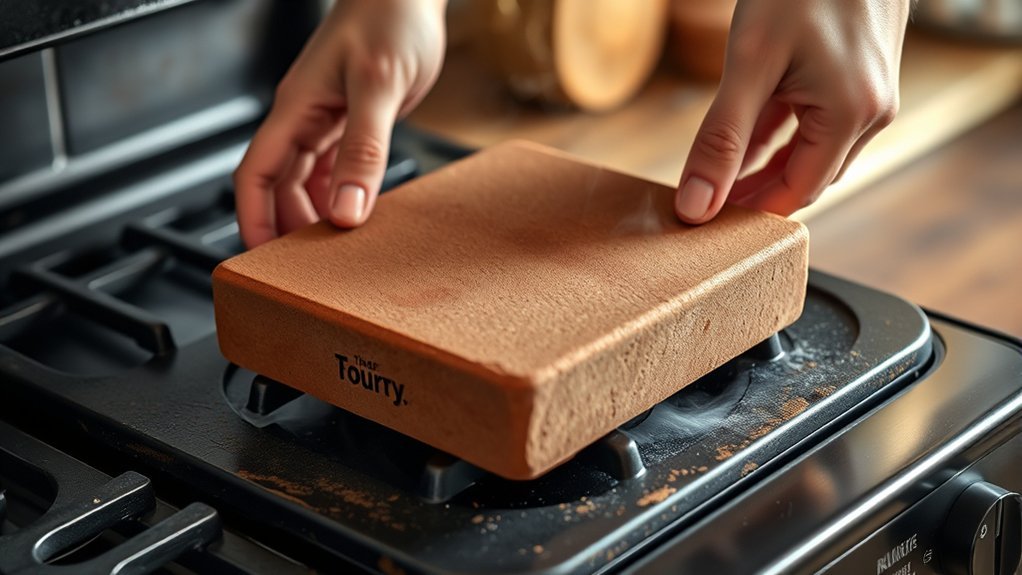
By harnessing the heat-retentive properties of a griddle brick, you can achieve consistently even cooking across your griddle surface. Begin by preheating your griddle and placing the griddle brick evenly on the cooking area.
The brick absorbs and radiates heat, improving heat distribution and minimizing hot spots. Move the brick occasionally to ensure the entire surface warms uniformly.
This technique enhances griddle maintenance by preventing uneven wear and scorching. After cooking, allow the griddle brick to cool naturally before cleaning to preserve its integrity.
Regular use of the brick helps maintain stable temperatures, so you’re less likely to overcook or undercook food. By integrating a griddle brick into your routine, you optimize heat distribution and elevate your cooking precision every time.
Choosing the Right Griddle Brick for Your Cooking Style
How do you select the ideal griddle brick to match your cooking style and needs? Start by evaluating the material; ceramic and soapstone bricks offer excellent griddle brick durability and reliable heat distribution, essential for consistent cooking results.
Consider the size and thickness. Thicker bricks retain heat longer, which is perfect if you cook in batches or need steady heat over time. If you prioritize quick heat adjustments, opt for a thinner brick that heats and cools faster.
Also, check the surface texture; a smooth surface provides even cooking and easier cleaning, while a slightly rough texture can enhance browning. By matching these factors to your cooking habits, you ensure your griddle brick performs efficiently and lasts longer, delivering professional-level results every time you cook.
How to Prepare Your Griddle Brick Before Cooking
Before you start cooking, make certain to clean your griddle brick thoroughly to remove any dust or debris.
Next, apply proper seasoning techniques to create a non-stick surface and enhance flavor.
Finally, follow precise preheating guidelines to ensure even heat distribution and optimal cooking results.
Cleaning the Griddle Brick
Why is cleaning your griddle brick essential before cooking? Proper cleaning techniques ensure your griddle brick remains free of residue, preventing unwanted flavors and ensuring even heat distribution.
Begin by allowing the brick to cool completely. Use a stiff brush or scraper to remove any stuck-on food particles gently. Avoid using soap or harsh chemicals, as they can be absorbed and affect taste.
Incorporate regular maintenance routines by wiping the surface with a damp cloth after each use to prevent buildup. Periodically, inspect your griddle brick for cracks or damage that could impair performance.
Seasoning Techniques Explained
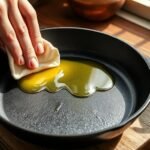
Once your griddle brick is thoroughly cleaned and inspected, preparing it properly will markedly improve its cooking performance and longevity. Seasoning your griddle brick involves applying a thin layer of oil to its surface and gently heating it to bond the oil with the material.
This process creates a non-stick layer essential in seasoning science, which protects the brick and enhances heat distribution. Use oils with high smoke points like flaxseed or grapeseed for the best results.
Apply the oil evenly, wiping away any excess to avoid sticky residue. Repeat this process two to three times to build a durable seasoning layer.
Proper seasoning not only improves cooking efficiency but also prevents food from sticking and extends the brick’s usable life.
Preheating Guidelines to Follow
How should you properly preheat your griddle brick to ensure optimal cooking results? Start by placing the brick on a cold burner, then heat it gradually over medium heat for 10-15 minutes. This method prevents thermal shock, preserving the brick’s integrity and ensuring even cooking.
Avoid overheating to maintain kitchen safety and retain nutrition tips benefits by preventing food from burning or sticking.
| Step | Purpose |
|---|---|
| Begin cold | Prevent cracks |
| Medium heat | Even temperature rise |
| 10-15 minutes | Thorough preheating |
| Avoid overheating | Ensure safety & nutrition |
Following these steps ensures your griddle brick performs well, enhancing your cooking experience safely and healthily.
How to Heat Your Griddle Brick Safely
Where should you place your griddle brick when heating it to ensure safety and effectiveness? Position it on a stable, heat-resistant surface such as a cast iron skillet or a gas burner set to medium heat. This setup promotes even heat distribution, preventing hot spots that can damage the brick or cause uneven cooking.
Always avoid direct flame contact with the griddle brick to maintain griddle safety and prolong its lifespan. Before heating, inspect the brick for cracks or damage to prevent hazards.
Gradually increase the heat to allow the brick to warm evenly, reducing the risk of thermal shock. Never leave the griddle brick unattended during heating, and use heat-resistant gloves when handling it to avoid burns.
Following these steps ensures safe, efficient heating every time.
Best Foods to Cook on a Griddle Brick
A griddle brick excels at cooking foods that benefit from even, consistent heat and a sturdy surface. You’ll find it ideal for searing meats like steaks or chicken breasts, ensuring a perfect crust without flare-ups.
Vegetables such as bell peppers, zucchini, and asparagus also cook beautifully, thanks to the griddle’s steady temperature, which locks in flavor and texture. When exploring topic ideas, consider pancakes and flatbreads, which evenly brown on the griddle brick’s smooth surface.
Mastering griddle techniques involves controlling heat to avoid burning delicate items while achieving a uniform cook. Using your griddle brick for these foods maximizes its advantages, providing a versatile tool for grilling, frying, and toasting. Stick to these food types to elevate your griddle cooking confidently.
Tips and Tricks for Crispy Griddle Brick Cooking
Cooking a variety of foods on your griddle brick sets the stage for achieving that perfect crispy texture. To get there, start by preheating the griddle brick thoroughly. This prevents sticking and uneven cooking.
Use moderate heat; high heat can burn food while low heat won’t crisp it properly. Avoid common griddle misconceptions, such as thinking that adding oil always guarantees crispiness. Too much oil can create soggy results. Instead, apply a thin, even layer.
For best results, press down gently with a spatula to ensure full contact between food and griddle. When experimenting, employ two word discussion ideas like “heat control” and “moisture management” to focus your technique. These tips help you master crispy cooking with precision and confidence.
Cleaning and Maintaining Your Griddle Brick for Longevity
To keep your griddle brick performing at its best, you’ll need to clean it properly after each use, removing any stuck-on residue without damaging the surface.
Regular maintenance, such as seasoning and inspecting for cracks, will help extend its lifespan. Additionally, storing and handling your griddle brick with care prevents unnecessary wear and guarantees it stays ready for your next cooking session.
Proper Cleaning Techniques
How often should you clean your griddle brick to guarantee it lasts? Ideally, you should clean the griddle brick after every use to maintain its surface integrity and prevent buildup.
Start by letting the brick cool slightly but remain warm; this will make cleaning more effective. Use a stiff brush or scraper to remove food residues gently, avoiding harsh chemicals that can damage the surface.
After cleaning, wipe the brick with a damp cloth and allow it to dry completely. Incorporate seasoning techniques regularly to protect the porous surface. Apply a thin layer of cooking oil and heat the brick to create a natural non-stick coating.
Following these proper cleaning techniques will extend your griddle brick’s lifespan and ensure consistent cooking performance.
Regular Maintenance Tips
Why should you commit to regular maintenance for your griddle brick? Proper upkeep ensures its durability and optimal performance. The griddle brick design often includes porous surfaces that can trap food residues and grease, so consistent cleaning prevents buildup that could impair heat distribution.
In your maintenance routines, start by cleaning the brick immediately after use with a soft brush or sponge to remove debris. Avoid harsh chemicals; instead, use warm water and mild detergent. After cleaning, dry it thoroughly to prevent moisture absorption, which can cause cracking.
Regularly inspect your griddle brick for cracks or damage to address issues early. By integrating these maintenance routines into your schedule, you’ll preserve your griddle brick’s integrity and extend its lifespan, ensuring reliable, efficient cooking every time.
Storage and Handling Guidelines
Where you store your griddle brick and how you handle it can substantially impact its longevity. Follow proper storage guidelines by keeping the brick in a dry, well-ventilated area to prevent moisture absorption, which can cause cracking. Avoid stacking heavy items on top to maintain its structural integrity.
When handling your griddle brick, use handling tips such as lifting it with both hands to distribute weight evenly and prevent accidental drops. Always ensure the brick has cooled completely before moving it to avoid damage from sudden temperature changes.
Troubleshooting Common Griddle Brick Problems Like Sticking and Uneven Heat
When your griddle brick sticks or heats unevenly, it can disrupt your cooking process and affect food quality. Start griddle brick troubleshooting by inspecting the surface for residues or buildup; clean thoroughly with a non-abrasive scrub to prevent sticking.
Next, perform uneven heat diagnostics by heating the griddle slowly and checking temperature variations with an infrared thermometer or by observing cooking patterns. Uneven heat often results from warped bricks or inconsistent burner output.
Adjust burner settings or replace damaged bricks to restore uniform heat distribution. Additionally, season your griddle brick regularly to create a natural non-stick surface, minimizing sticking issues.
Following these steps ensures efficient, consistent cooking and prolongs the lifespan of your griddle brick.
Proper Storage for Your Griddle Brick
How should you store your griddle brick to maintain its quality and performance? Proper storage is essential for storage safety and long term care. You want to prevent damage and preserve its heat retention capabilities. Follow these guidelines:
Store the griddle brick in a dry, well-ventilated area to avoid moisture buildup and potential cracking. Place it on a flat, stable surface to prevent warping or accidental falls.
Avoid stacking heavy items on top to maintain its structural integrity. Keep it away from extreme temperatures and direct sunlight to protect the material from degradation.
Frequently Asked Questions
Can a Griddle Brick Be Used on an Electric Stove?
Yes, you can use a griddle brick on an electric stove, but heat it gradually. Always apply seasoning oils on the griddle brick to maintain its surface, prevent sticking, and guarantee even cooking during use.
Is a Griddle Brick Safe for Outdoor Grilling?
Like a trusty shield, a griddle brick ensures griddle brick safety during outdoor grilling when used properly. You’ll want to place it on a stable surface, avoid direct flames, and monitor heat to prevent cracking or damage.
How Heavy Is a Typical Griddle Brick?
A typical griddle brick weighs between 3 to 5 pounds, depending on its material density. You won’t notice a tiny weight difference, but denser materials make it heavier, affecting heat retention and cooking performance.
Can You Use Seasoning Oils on a Griddle Brick?
Think of seasoning oils as the lifeblood for your griddle brick; you can use them to enhance oil distribution, ensuring even heat and a non-stick surface.
Just apply sparingly and heat gradually for best results.
Are Griddle Bricks Oven-Safe for Baking?
Yes, griddle brick safety is crucial; most griddle bricks are oven-safe for baking. Before using, check manufacturer guidelines to ensure it withstands your oven’s temperature, allowing you to bake with brick efficiently and safely.
Conclusion
By preheating your griddle and placing the brick evenly, you guarantee consistent heat distribution. Moving the brick occasionally helps prevent hotspots and ensures even cooking.
Allow the brick to cool naturally before cleaning it with a stiff brush to maintain its durability. After cleaning, re-season the brick with a thin layer of oil to preserve its non-stick surface.
Follow these steps, and you’ll master griddle brick cooking with precision, safety, and lasting performance. Proper care and use are key to getting the best results from your griddle brick.