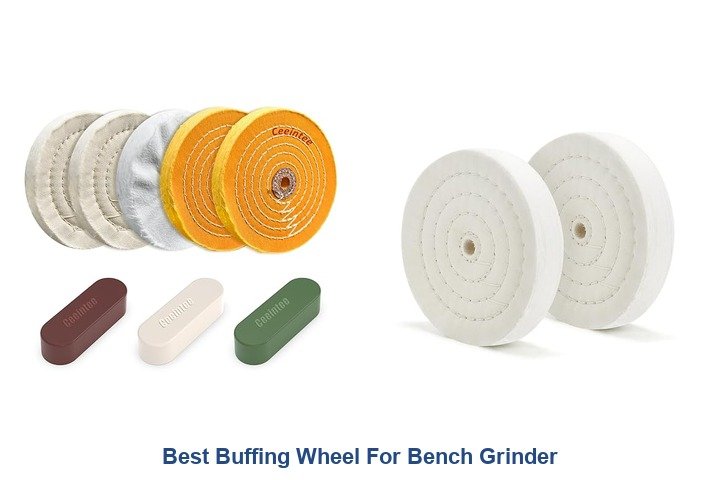

The best buffing wheel for bench grinder plays a crucial role in achieving high-quality polishing and finishing on various materials. With advancements in abrasive technology and materials like cotton, felt, and sisal, these wheels provide superior surface smoothness and shine. Selecting an appropriate buffing wheel can enhance your bench grinder’s versatility, catering to tasks ranging from metal restoration to automotive detailing.
Understanding the benefits of different wheel types, attachment methods, and grit options is essential for maximizing efficiency and longevity. Exploring the latest innovations and user-centric designs can help you identify a buffing solution tailored to your specific needs.
This guide delves into the features and technologies that distinguish the best buffing wheel for bench grinder, helping you make a well-informed decision for your polishing projects.
best buffing wheel for bench grinder: + Top Picks for 2026
| Image | Product | Buy |
|---|---|---|
Top Picks- 1  | 8 Pack 6 Inch Polishing Wheel for Bench Grinder, Include Best for: Bulk buyers | Check Price On Amazon |
Top Picks- 2 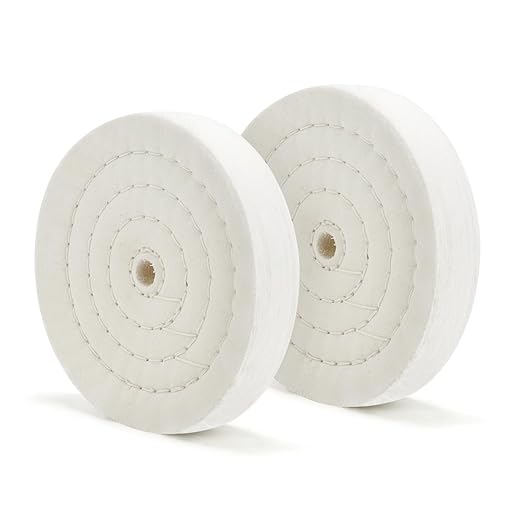 | SCOTTCHEN Buffing Polishing Wheel 6 inch (70 Ply) Extra Thick Best for: Heavy-duty polishing | Check Price On Amazon |
Top Picks- 3  | 13Pcs 6inch Buffing Polishing Wheel for Bench Grinder,4 Buffing Wheels Best for: Complete starter kit | Check Price On Amazon |
Top Picks- 4  | SALI 4 Pack Polishing Wheel for Bench Grinder Buffing Wheel Best for: Small quantity buyers | Check Price On Amazon |
Top Picks- 5  | 8PCS 6 Inch Buffing & Polishing Wheel Kit for Bench Best for: All-in-one kit | Check Price On Amazon |
1. 8 Pack 6 Inch Polishing Wheel for Bench Grinder, Include
Best for: Complete set for varied polish levels.
Six pieces of 6-inch polishing wheels include 42 and 50 coat cotton wheels plus a 30 coat flannel wheel, letting you tailor finish fine-tuning on bench grinders. This variety equips users for adjusting abrasiveness when working on different materials.
Two yellow cotton wheels with 42 coats and two white wheels with 50 coats provide options between cutting and fine polishing, while the softer flannel wheel offers gentle finishing. The package also offers three polish compounds—brown, white, and green—targeted for aluminum, soft metals, and hard metals, respectively, allowing versatility across metals and jewelry.
Pros
- Varied coat counts (30-50) for adjustable polishing
- Includes cotton and flannel wheels for multi-surface use
- Three dedicated polish compounds for targeted metal types
- 6-inch diameter fits most bench grinders seamlessly
Cons
- Lacks arbor adapter, requiring precise bench grinder arbor compatibility
Ideal for hobbyists or metalworkers needing a multi-function polishing kit. It suits users who want adaptable buffing options for metals, plastics, and glass with minimal tool swapping.
2. SCOTTCHEN Buffing Polishing Wheel 6 inch (70 Ply) Extra Thick
Best for: Durable heavy-duty buffing wheel.
This 6-inch buffing wheel boasts a medium grit with a robust 70 ply thickness, providing a durable surface ideal for extended polishing tasks on wood and metals. Its density allows it to withstand higher pressures during use.
Featuring a 1/2-inch center hole for broad compatibility, the wheel’s thick concentric sewn circles stabilize the plies, reducing wear and enhancing its lifespan. This wheel works effectively on diverse materials like cast iron, brass, aluminum bronze, and stone for general polishing needs.
Pros
- 70 ply thickness prolongs wheel life and durability
- Medium grit suitable for smooth polishing outcomes
- 1/2-inch center hole fits most standard bench grinders
- Concentric sewing offers stable ply bonding under pressure
Cons
- Medium grit limits use on ultra-fine or mirror finishes
Recommended for professionals and DIYers requiring a resilient wheel for regular polishing on rougher metals. Best for routine maintenance rather than high-gloss finishing.
3. 13Pcs 6inch Buffing Polishing Wheel for Bench Grinder,4 Buffing Wheels
Best for: Comprehensive kit with compounds included.
Thirteen pieces including four 6-inch buffing wheels and matching polishing compounds enable graded polishing stages from coarse to mirror finish. This all-in-one kit streamlines polishing and restoration tasks.
The kit contains denim, yellow cotton, white cotton, and flannel wheels paired with black, brown, white, and green compounds each within 800–1500 grit range, suitable for metals and wood. It also includes a rake for wheel nap restoration, a 1/4″ shank, wrench, and protective finger tapes enhancing ease and safety.
Pros
- Complete polishing compound set from coarse to fine
- Includes accessories: rake and finger tapes for user convenience
- Buffing wheels cover coarse to mirror finish applications
- Compatible with both 1/2 inch bench grinder and 1/4 inch drill
Cons
- Maximum rotational speed capped at 4800 rpm limits use on some high-speed grinders
Tailored for users seeking an all-encompassing polishing solution including compounds and tools. Perfect for automotive restoration, jewelry, or detailed metalwork requiring multiple finishes.
4. SALI 4 Pack Polishing Wheel for Bench Grinder Buffing Wheel
Best for: Balanced kit for coarse to ultra-fine polishing.
The four 6-inch buffing wheels offer varied ply counts and materials enabling users to cut, buff coarse, and polish ultra-fine surfaces, especially tailored for stainless steel and hard woods.
Two 50 ply yellow cotton wheels target cutting and coarse buffing, complemented by a loose white cotton wheel and another 50 ply white cotton wheel dedicated to ultra-fine polishing and high-luster finishes respectively. This variety optimizes performance on aluminum, brass, plastic, and stainless steel.
Pros
- Combination of 50 ply cotton wheels fits diverse polishing stages
- Includes loose cotton wheel for gentle ultra-fine polishing
- Suitable for metals and hardwood polishing
- 6-inch size ideal for most bench grinder applications
Cons
- Coarse and fine wheels only rated at 120 grit, limiting ultra-fine detailing
Suited for craftspeople working extensively on jewelry, metals, and wood. Appropriate for anyone requiring a versatile bundle balancing cutting and finishing tasks.
5. 8PCS 6 Inch Buffing & Polishing Wheel Kit for Bench
Best for: Complete polishing kit with compound variety.
Consisting of eight 6-inch buffing wheels with a 1/2-inch arbor hole, this kit suits most bench grinders and includes a suite of four polishing pastes for graded finishes from coarse to mirror polish.
Polishing pastes—black, brown, white, and green—allow progressive polishing on stainless steel, brass, aluminum, and cast iron. Its quick installation design also permits use with angle grinders and rotary tools, expanding its application range beyond bench grinders.
Pros
- Comprehensive set combining wheels and four polishing pastes
- 1/2-inch arbor hole compatible with standard grinders
- Versatile use across angle grinders and rotary tools
- Supports finishing on metals, ceramics, glass, and jewelry
Cons
- Polishing compounds require manual application, which may increase preparation time
Ideal for users who prefer an all-inclusive polishing setup for various materials. Suitable for both beginners and seasoned users looking for flexibility across machines.
6. 8″ Polishing Buffing Wheel for Bench Grinder, 1″ Thickness, 5/8″

Best for: Soft cotton wheel for mirror finishing.
An 8-inch diameter and 1-inch thickness 100% cotton polishing wheel delivers very soft, fine buffing suitable for final-stage mirror polishing on various metals and alloys, including stainless steel and aluminum.
It features a 5/8-inch arbor hole suited for direct mounting on bench grinders and angle grinders. The natural cotton material ensures gentle yet effective polishing for delicate surfaces like silver or gold, enhancing final sheen without scratching.
Pros
- Extra large 8-inch size for broad surface coverage
- Thick 1-inch cotton material for soft, fine polishing
- 5/8-inch arbor hole ensures firm attachment
- Ideal for stainless steel, alloys, and precious metals
Cons
- Only suitable for final polishing; not effective for cutting or coarse buffing
Best for craftsmen or jewelers focused on achieving a mirror finish on sensitive metals. Not recommended for initial abrasive polishing stages.
7. 2 Pcs 6 in Extra Thick (70 Ply) Cotton Buffing

Best for: High-tenacity cotton for stability at speed.
Two 6-inch buffing wheels made from high-tenacity cotton cloth feature tight, even stitching and velvet-treated edges to prevent scratching, promoting durability and surface protection at high rotational speeds.
Each wheel includes a 1/2-inch shaft hole compatible with most bench grinders or polishers. The dense cotton layers maintain stability under pressure, suitable for both metals and softer materials when combined with polishing compounds.
Pros
- Superior cotton fabric enhances strength and durability
- Velvet-treated edges reduce risk of surface damage
- 1/2-inch shaft hole for broad grinder compatibility
- Maintains stability during high-speed operation
Cons
- Package includes only two wheels, limiting variety for polishing stages
Perfect for users prioritizing wheel durability and surface care during heavy polishing. Recommended for metal and paint-safe buffing where wheel longevity matters.
8. Elastic Polyurethane Buffing Wheels 6 Inch 2000 Grit. for Mirror

Best for: Durable polyurethane wheel for wet/dry polishing.
This 6-inch elastic polyurethane buffing wheel is embedded with silicon carbide abrasives offering sharpness and exceptional wear resistance, suitable for both wet and dry polishing applications.
Measuring nearly 6 inches in diameter with a 1-inch thickness and a 1/2-inch arbor, its microporous structure provides elasticity and prevents dust release during polishing. The 2000 grit rating targets super-fine finishes on metals and other surfaces requiring precision polishing.
Pros
- Silicon carbide abrasives enable sharp durable polishing
- Elastic microporous design allows both dry and wet use
- 1-inch thick wheel extends working life
- 1/2-inch arbor hole fits most bench grinders
Cons
- Only one wheel included, requiring additional purchases for variety
Designed for professionals needing a precise super-fine polishing tool suitable for metals and composites. Excellent choice for durable, dust-minimizing finishing.
9. SALI 3 Pack Polishing Wheel for Bench Grinder Buffing Wheel

Best for: Versatile 8-inch pack for polishing and cutting.
Three 8-inch buffing wheels with 50 plies provide high-efficiency polishing, cutting, and restoration work, suitable for stainless steel, jade, diamond, and other hard materials requiring progressive finishing.
Includes one treated yellow wheel for coarse buffing, a loose cotton wheel for ultra-fine polishing, and a white cotton wheel for high-luster outcomes. This mix covers coarse, fine, and ultra-fine grit types, supporting metals, plastics, wood, and glass polishing tasks.
Pros
- 50 ply thickness delivers robust cutting and polishing
- Includes treated and loose cotton wheels for various applications
- Large 8-inch diameter suited for bigger surfaces
- Compatible with a wide range of hard and soft materials
Cons
- 50 ply grit may be too coarse for delicate or soft material polishing
Optimal for users handling large-scale or hard-surface polishing projects. Great for metalworkers, jewelry makers, and restorers seeking efficiency in coarse to fine buffing.
10. 8″ x 2″ Extra Thick Nylon Fiber Buffing Wheel, 5/8″
Best for: Extra-thick nylon fiber for rust removal.
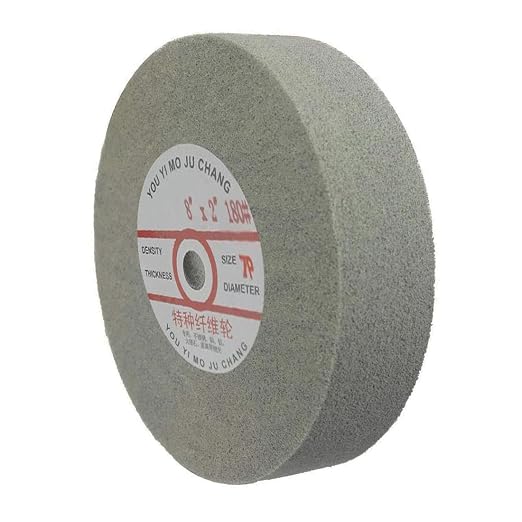
This extra-thick 8 by 2-inch nylon fiber buffing wheel offers resilience and wear resistance perfect for metal surface polishing and rust removal, providing smooth and uniform results on alloys and steel.
With a universal 5/8-inch arbor, it fits most bench grinders and similar rotary tools. Its fine 180 grit rating enables effective polishing without aggressive abrasion, enhancing metal surfaces including aluminum and copper with controlled material removal.
Pros
- 2-inch thickness enhances durability and longevity
- Nylon fiber material ensures wear resistance and uniform polishing
- Fits wide range of rotary tools via 5/8-inch arbor
- Fine 180 grit rating balances polishing and grinding
Cons
- Not intended for ultra-fine or mirror polish applications
Great for metalworkers and maintenance professionals focusing on rust removal and intermediate polishing. Best used before higher-grade finishing wheels.
How to Choose the Right Buffing Wheel for Your Bench Grinder
Wheel size and compatibility
The diameter of a buffing wheel must align precisely with your bench grinder’s specifications to ensure optimal performance and safety. A wheel too large can overextend the grinder’s capacity, risking damage or accidents, while a smaller wheel may reduce efficiency and coverage during polishing tasks.
Equally important is the arbor hole size, as it directly affects how securely the wheel mounts on the grinder shaft. An incompatible arbor opening can lead to wobbling or loosening during operation, which diminishes buffing quality and can be hazardous. Most bench grinders have standard arbor sizes, so confirming this measurement before installation is essential for a stable and reliable fit.
The thickness of the buffing wheel also influences its suitability for different polishing jobs. Thicker wheels generally provide longer durability and better heat dissipation during heavy-duty buffing, whereas thinner wheels offer greater flexibility for detailed or delicate finishes. Matching the wheel’s dimensions with your intended applications ensures efficient material removal, smooth surface refinements, and consistent results without overloading the motor or compromising control.
Material and performance
The composition and build of buffing wheels greatly influence their lifespan and finishing quality. High-grade cotton or muslin cloth combined with tightly layered abrasive compounds ensures consistent polishing without premature wear, allowing the wheel to maintain its shape and effectiveness over extended periods of use.
Durability is essential because wheels that degrade quickly under the pressure of a bench grinder not only require frequent replacement but also compromise the smoothness of the polish. For instance, wheels constructed with multiple stitched layers or those impregnated with fine abrasives like aluminum oxide or jeweler’s rouge offer superior resistance to heat buildup and mechanical stress, which is particularly important during continuous or heavy-duty buffing sessions.
Performance varies depending on the substrate being polished—soft metals like aluminum and brass demand a gentler abrasive to avoid surface damage, while harder metals such as steel or stainless steel benefit from robust, coarser layers that can effectively remove oxidation and scratches. Choosing wheels with compatible materials tailored to the specific metal ensures optimal surface refinement, prevents over-aggression, and delivers a mirror-like finish across diverse applications.
Balance and safety features
Proper balance in a buffing wheel is essential for ensuring smooth, stable operation and preventing excessive vibrations that can lead to uneven finishes or premature wear on both the wheel and the bench grinder motor. An unbalanced wheel not only compromises polishing quality but also poses a risk of damaging the tool and creating unsafe working conditions. Wheels that are precisely manufactured to maintain uniform weight distribution help maintain consistent speed and reduce the likelihood of wobbling during high-RPM rotations.
Equally important are safety features like compatibility with existing guards and protective covers. Buffing wheels designed to fit securely within safety shields help protect users from flying debris and accidental contact with moving parts, significantly lowering the risk of injury. This containment is particularly critical when dealing with delicate or high-speed polishing tasks where sparks or fragments may be generated.
Adding to user convenience, wheels with straightforward installation and removal mechanisms streamline the workflow and improve maintenance efficiency. Quick-mount systems, such as flange adapters or slotted hubs, allow for hassle-free wheel changes without the need for specialized tools, making the process safer and more time-efficient. Overall, choosing wheels engineered for balanced operation, safety compliance, and easy maintenance contributes not only to superior buffing results but also to a more secure and user-friendly workspace.
Maintenance and longevity
Durability and ease of upkeep significantly influence the overall performance and cost-effectiveness of any buffing wheel attachment. A wheel that can be cleaned and restored efficiently ensures consistent polishing quality and prevents contamination between different compounds, which is vital for achieving professional-grade finishes.
Resistance to abrasive wear is another critical factor, as frequent replacement due to premature degradation can disrupt workflow and inflate maintenance expenses. Materials such as tightly woven cotton or premium felt, along with reinforced stitching, often exhibit superior wear resistance. This allows the wheel to maintain its shape and effectiveness over extended use.
Extending the lifespan of the wheel involves routine cleaning using specialized brushes or dressing tools designed to remove debris and buildup without damaging the fabric. Additionally, avoiding excessive pressure and operating the grinder at recommended speeds minimizes stress on the wheel fibers, preventing fraying and uneven wear. Following these guidelines will help maintain consistent buffing efficiency and protect the investment in quality polishing accessories.
Specialized buffing capabilities
Buffing wheels that offer specialized polishing abilities can dramatically enhance the finish quality and versatility of your projects. Achieving distinct finishes, whether a flawless mirror shine or a subtle satin texture, depends heavily on the wheel’s design and material composition. This level of control is vital for craftspeople and metalworkers aiming to meet specific aesthetic or functional requirements on diverse surfaces.
The selection of a buffing wheel must align with the type of polishing compounds it supports, as this directly influences the wheel’s aggressiveness and final surface effect. For instance, a wheel compatible with tripoli or rouge compounds can refine metals to a high gloss, while others designed for cleaner, less abrasive compounds provide a gentler polishing suited for delicate finishes. Understanding this compatibility ensures optimal results without damaging or altering the metal’s inherent qualities.
Moreover, versatility across different metals like brass, aluminum, or stainless steel enhances a wheel’s utility. Since these materials vary in hardness and oxidation properties, a specialized wheel capable of adapting its abrasive action can prevent excessive material removal or uneven polish. For example, softer metals like aluminum require a less aggressive buffing medium to avoid surface scratching, while stainless steel benefits from more robust, tightly woven wheels to restore its natural luster.
Ultimately, wheels engineered for specialized buffing empower users to tailor their finishing process to the particular demands of each metal and desired shine level.
Quick Best Buffing Wheel For Bench Grinder Buying Checklist
- Correct Size: Ensure the buffing wheel fits your bench grinder’s diameter and arbor size.
- Material Quality: Select wheels made from durable cloth layers for consistent performance.
- Balance: Choose balanced wheels to reduce vibrations and increase safety.
- Compatibility: Confirm the wheel supports your intended polishing and buffing tasks.
- Maintenance: Opt for wheels that are easy to clean and maintain for longer life.
- Safety Features: Verify the availability of safety guards or covers for added protection during use.
Frequently Asked Questions
What Size Buffing Wheel Is Best For A Bench Grinder?
The best buffing wheel size for a bench grinder matches the grinder’s wheel diameter and arbor hole size to ensure proper fit and safe operation. Common sizes include 6 to 8 inches, balancing effective surface contact with manageable speed and control.
Which Material Provides The Best Durability For Buffing Wheels?
Cloth wheels made from tightly woven cotton or muslin layers are ideal for durability in buffing wheels. Their dense construction resists wear while maintaining flexibility, which helps achieve a smooth, even polish on various surfaces.
How Important Is Wheel Balance In A Buffing Wheel?
Wheel balance is crucial in buffing wheels because it reduces vibration during use, improving safety and buffing precision. Balanced wheels provide smoother operation, less noise, and longer tool life by minimizing stress on the bench grinder’s motor.
Can Buffing Wheels Be Used With Different Polishing Compounds?
Yes, most buffing wheels are compatible with a variety of polishing compounds, enhancing their versatility. The type of compound used depends on the material being polished, allowing you to achieve finishes ranging from matte to mirror-like shine.
How Do I Maintain A Buffing Wheel For Longer Life?
Maintaining a buffing wheel involves regular cleaning to remove debris and compound buildup, along with dressing or conditioning to restore its surface. Proper storage and avoiding excessive pressure during use also help extend the wheel’s effective lifespan.
Final Suggestions
Selecting the best buffing wheel for bench grinder delivers superior polishing results with enhanced durability and smooth operation. These wheels offer versatile applications across metals and materials, making them essential for precision finishing. Invest in the right buffing wheel today to elevate your craftsmanship and ensure long-lasting performance.